Every Product, Independently Rated
27 products across 7 categories, each rated on two dimensions: how plastic-free it is, and how dangerous the plastic exposure is to your health if you don't switch.
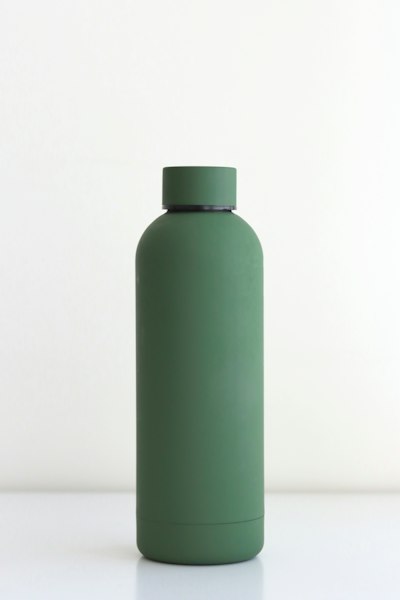
Classic Insulated Water Bottle (18 oz)
Plastic water bottles are one of the most studied sources of microplastic exposure. A single 1-liter PET bottle releases an average of 240,000 microplastic particles into the water. You drink from a bottle every day — this adds up to millions of microplastic particles per year.
Reusable Silicone Storage Bags
Plastic zip bags are in direct contact with your food every day. Standard LDPE/LLDPE bags leach plasticizer additives into food — especially fatty foods like cheese, meat, and avocado. The longer food sits in plastic, the more it absorbs.
Organic Beeswax Food Wraps
Conventional plastic wrap (cling film) is made from PVC or LDPE and leaches plasticizers directly into food — especially fatty foods like cheese, meat, and leftovers. PVC contains phthalates that are potent hormone disruptors. You use it every day, often on food you eat immediately.

Borosilicate Glass Food Storage Set
Heating food in plastic containers — especially in a microwave — is one of the highest-risk daily exposures in the average home. BPA, phthalates, and BPA substitutes leach directly into your food when plastic is heated. Pyrex solves the container problem; the plastic lids are still a concern for microwave use.

Organic Teak Kitchen Utensil Set
Plastic cooking utensils shed microplastics directly into hot food during cooking. A 2023 study found a plastic spatula can release up to 2.3 million microplastic particles per minute when used in a hot pan. You stir, flip, and serve with these tools every day.