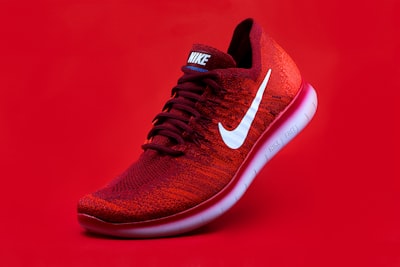
Dri-FIT One Leggings
Nike's Dri-FIT One Leggings are 83% recycled polyester, 17% spandex. While Nike has made progress on using recycled polyester, this specific product's fabric remains 100% synthetic plastic. Dri-FIT technology maximizes fabric-to-skin contact by design.
This is a rating of this specific product only — not the company. Other products from this brand may score differently.
⚠️ HIGH EXPOSURE RISK: Nike's Dri-FIT fabric is specifically engineered to pull sweat toward the fabric surface — which means it is in constant, intimate contact with your skin during exercise. This technology maximizes microplastic and chemical exposure during the exact conditions (sweating, elevated body temperature, open pores) that maximize skin absorption.
Why We Rated It This Way
This specific product scores F due to 100% synthetic content, Dri-FIT technology that maximizes skin contact, and minimal transparency on chemical treatments. Note: Nike makes other products that may score differently.
Chemical & Health Analysis
Each chemical of concern is broken down below — what it is, where it comes from in this product, what it does to the body, and who is most at risk.
Polyester (PET) microfibers — Dri-FIT engineered
The fabric itself, engineered to maximize skin contact
Nike's Dri-FIT technology is specifically designed to maximize fabric-to-skin contact by wicking sweat toward the fabric surface. This engineering maximizes transdermal exposure to polyester microplastics during exercise.
Antimony trioxide (PET catalyst)
Residue from polyester manufacturing
Present in polyester as a manufacturing residue. Detected in sweat from people wearing polyester activewear. Classified as a possible human carcinogen (IARC Group 2B).
All health claims are based on published, peer-reviewed research from the NIH, WHO, IARC, and peer-reviewed journals. This information is for educational purposes and does not constitute medical advice.