Every Product, Independently Rated
27 products across 7 categories, each rated on two dimensions: how plastic-free it is, and how dangerous the plastic exposure is to your health if you don't switch.
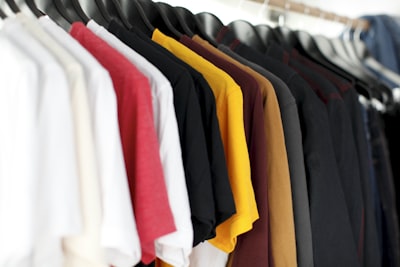
GOTS Organic Cotton Boxer Briefs
⚠️ IMPORTANT: Underwear is in continuous direct contact with your most sensitive and absorptive tissue for 12–16 hours per day. Synthetic underwear (nylon, spandex, polyester blends) sheds microplastics and chemical additives directly against genital tissue. Studies have detected synthetic microfibers in human reproductive tissue. For children and adolescents, this exposure coincides with critical hormonal development.

Organic Cotton & Latex Mattress
You spend 7–9 hours per night with your face inches from your mattress, breathing whatever it off-gasses. Conventional mattresses contain polyurethane foam — a petroleum-based plastic — that continuously releases VOCs (volatile organic compounds) and flame retardant chemicals into the air you breathe while you sleep. Children and infants sleeping on conventional mattresses are at highest risk because they spend more time sleeping and breathe more air relative to their body weight.

100% Plastic-Free Organic Bra
⚠️ IMPORTANT: Bras are worn in direct contact with breast tissue — one of the most hormonally sensitive areas of the body — for 8–12 hours per day. Conventional bras are almost entirely synthetic (nylon, spandex, polyester). The proximity to lymph nodes and breast tissue makes this one of the most urgent clothing swaps for women.
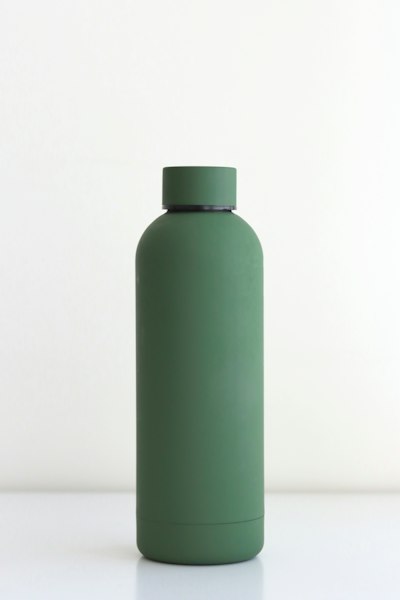
Classic Insulated Water Bottle (18 oz)
Plastic water bottles are one of the most studied sources of microplastic exposure. A single 1-liter PET bottle releases an average of 240,000 microplastic particles into the water. You drink from a bottle every day — this adds up to millions of microplastic particles per year.

Ventile Cotton Waterproof Jacket
Conventional waterproof jackets use PFAS (per- and polyfluoroalkyl substances) — known as 'forever chemicals' — as a DWR coating. PFAS accumulate in the body and are linked to cancer, thyroid disruption, and immune suppression. They never break down in the environment or in your body.

Wide-Neck Glass Baby Bottles (9 oz)
⚠️ CRITICAL FOR INFANTS: Warming milk in plastic baby bottles dramatically accelerates microplastic and BPA leaching. A 2020 study in Nature Food found that sterilizing polypropylene baby bottles and preparing formula in them releases up to 16.2 million microplastic particles per liter. Infants are fed multiple times per day during their most vulnerable developmental window — when their endocrine system, brain, and immune system are forming.
Reusable Silicone Storage Bags
Plastic zip bags are in direct contact with your food every day. Standard LDPE/LLDPE bags leach plasticizer additives into food — especially fatty foods like cheese, meat, and avocado. The longer food sits in plastic, the more it absorbs.

Multi-Surface Cleaning Tablets
Plastic spray bottles degrade over time in your cleaning cabinet, shedding microplastics into the product inside. These end up on your kitchen counters and surfaces where food is prepared. The environmental impact of billions of single-use plastic cleaning bottles is also significant.

Merino Wool Training Shorts
⚠️ HIGH RISK CATEGORY: Activewear is the highest-risk clothing category for plastic exposure. Sweating opens your pores and dramatically increases skin absorption. Polyester gym shorts in direct contact with your skin during exercise — when you are sweating and your pores are open — creates maximum chemical absorption. Most activewear is 80–95% synthetic plastic.
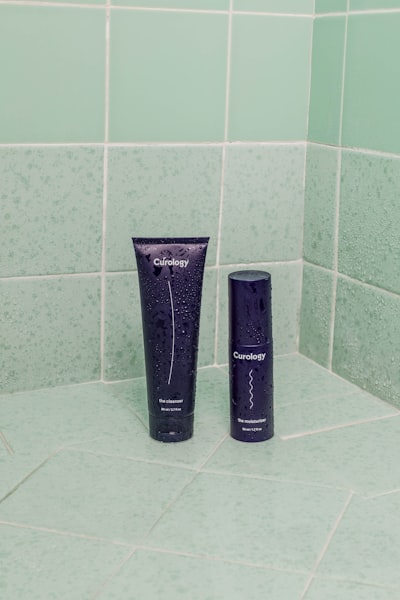
Moisturizing Shampoo Bar
Plastic shampoo bottles sit in your warm, humid shower for months. Heat and moisture accelerate microplastic shedding from the bottle into the product inside. The scalp is highly vascular — products applied to it absorb quickly into the bloodstream.
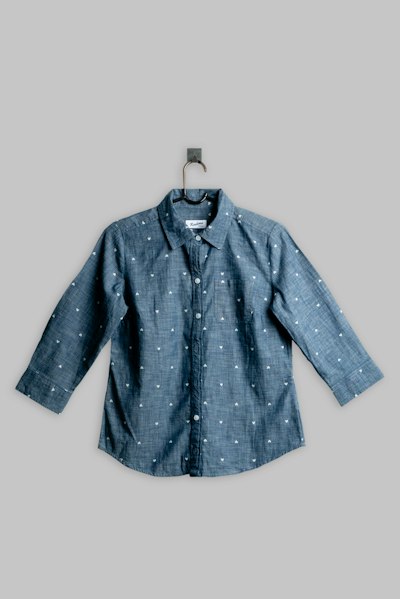
Organic Linen Button-Down Shirt
Everyday shirts are worn against skin for hours. Synthetic blend dress shirts shed microplastics throughout the day. Linen is one of the most breathable, naturally antimicrobial, and plastic-free fabric options available.

Organic Beeswax Food Wraps
Conventional plastic wrap (cling film) is made from PVC or LDPE and leaches plasticizers directly into food — especially fatty foods like cheese, meat, and leftovers. PVC contains phthalates that are potent hormone disruptors. You use it every day, often on food you eat immediately.

GOTS Certified Organic Cotton Sheets
Polyester bed sheets are in direct skin contact for 7–9 hours every night. Body heat accelerates the release of microplastics and chemical dyes through your skin. This is one of the most overlooked sources of daily plastic exposure — most people never think about their sheets as a source of chemical exposure.
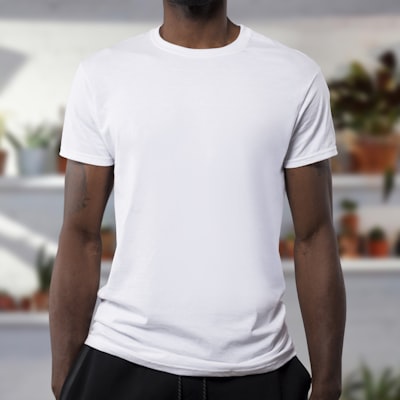
GOTS Organic Cotton Everyday Tee
T-shirts are worn directly against skin for hours daily. Polyester and synthetic blend shirts shed microplastics continuously, especially when warm or sweaty. Switching your everyday basics is one of the most impactful clothing changes you can make — you wear a shirt every single day.

Bamboo Toothbrush
You brush your teeth twice a day, every day. Your mouth's mucous membranes are among the most absorptive tissue in the body — microplastics and chemical additives from plastic toothbrushes enter your bloodstream directly through your oral tissue. Over a lifetime, you will use 300+ toothbrushes.
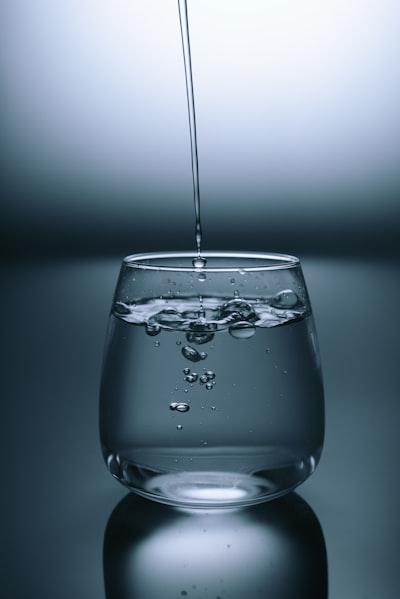
Big Berkey Countertop Water Filter
Tap water in the US contains measurable microplastics in most municipalities. You drink 2–3 liters per day. Over a year, unfiltered tap water can deliver millions of microplastic particles into your body. Microplastics have been detected in human blood, lungs, and brain tissue.

Heirloom Wooden Toy Set
⚠️ IMPORTANT FOR CHILDREN: Children mouth toys constantly — especially infants and toddlers. Plastic toys shed microplastics and contain chemical additives (flame retardants, phthalate plasticizers, heavy metal dyes) that absorb through oral mucosa. Children's developing endocrine systems are far more vulnerable to these chemicals than adults. The dose that harms a child is much lower than the dose that harms an adult.
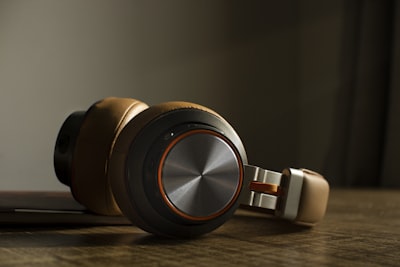
Dish Soap Bar
Plastic dish soap bottles sit in warm, wet conditions next to your sink for months. This accelerates microplastic shedding from the bottle into the soap. Dish soap residue on plates and utensils can transfer to food — especially if rinsing is incomplete.
Wide-Mouth Glass Mason Jars (32 oz)
Storing acidic foods (tomatoes, citrus, fermented foods) in plastic containers dramatically increases chemical leaching. The longer food sits in plastic, the more it absorbs. Switching to glass for food storage is one of the highest-impact changes a family can make.

Borosilicate Glass Food Storage Set
Heating food in plastic containers — especially in a microwave — is one of the highest-risk daily exposures in the average home. BPA, phthalates, and BPA substitutes leach directly into your food when plastic is heated. Pyrex solves the container problem; the plastic lids are still a concern for microwave use.
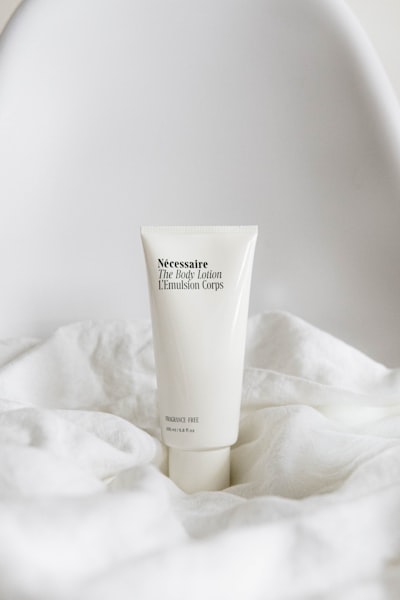
Vitamin C Serum (Glass Bottle)
Skincare stored in plastic bottles can absorb plasticizers from the container, which are then applied directly to your skin and absorbed transdermally. This is especially concerning for oil-based serums — oil is a solvent that pulls plastic chemicals out of containers. You apply this to your face daily.

Organic Teak Kitchen Utensil Set
Plastic cooking utensils shed microplastics directly into hot food during cooking. A 2023 study found a plastic spatula can release up to 2.3 million microplastic particles per minute when used in a hot pan. You stir, flip, and serve with these tools every day.
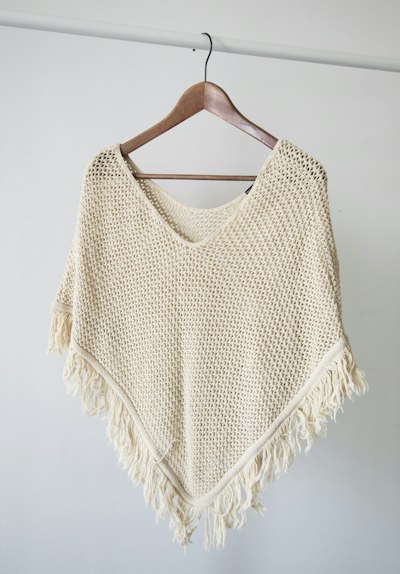
Ultimate Stash 7/8 Tight
⚠️ HIGH EXPOSURE RISK: Athleta's tights use Econyl® recycled nylon — a genuine sustainability improvement, but still 100% synthetic plastic that sheds microplastics and sits against your skin during exercise. Recycling nylon does not eliminate the microplastic shedding problem — it only reduces the carbon footprint of production.
Staple Boxer Brief
⚠️ CRITICAL EXPOSURE RISK: Underwear is in continuous direct contact with the body's most sensitive and absorptive tissue for 12–16 hours per day. Ethika's Staple boxer briefs are made from 65% polyester — a petroleum-based plastic that sheds microplastics directly against genital tissue. Studies have detected synthetic microfibers in human reproductive tissue. For boys and adolescent males, this exposure coincides with critical hormonal development.
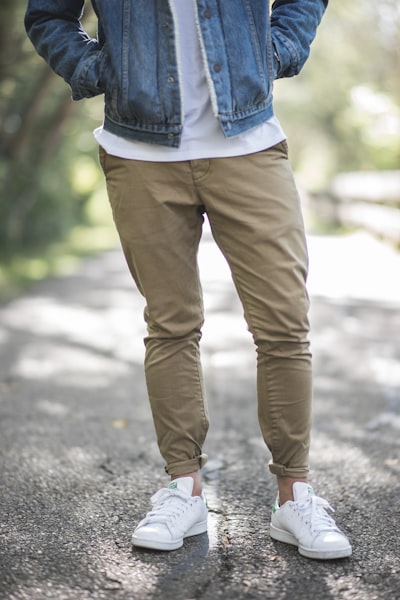
Performance Jogger Pants
⚠️ HIGH EXPOSURE RISK: Vuori's Performance Jogger is approximately 88% polyester, 12% elastane — both fully synthetic plastics. Polyester sheds an estimated 700,000 microplastic fibers per wash cycle. Worn during exercise when sweating, these fibers and chemical additives absorb directly through open pores. Vuori markets heavily to health-conscious consumers without disclosing the plastic content of this specific product.
Align High-Rise Leggings 25"
⚠️ HIGH EXPOSURE RISK: These specific leggings are made from Lululemon's Nulu™ fabric — 81% nylon, 19% Lycra elastane. Both are petroleum-based synthetic plastics. They are worn skin-tight against your entire lower body during exercise, when pores are open and sweating maximizes skin absorption. Nylon sheds an estimated 700,000 microfibers per wash cycle.
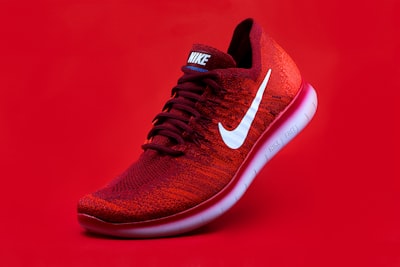
Dri-FIT One Leggings
⚠️ HIGH EXPOSURE RISK: Nike's Dri-FIT fabric is specifically engineered to pull sweat toward the fabric surface — which means it is in constant, intimate contact with your skin during exercise. This technology maximizes microplastic and chemical exposure during the exact conditions (sweating, elevated body temperature, open pores) that maximize skin absorption.