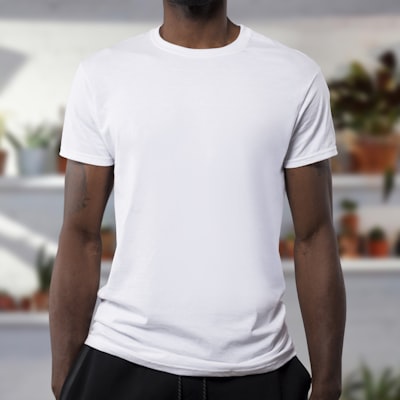

Performance Jogger Pants
Vuori's Performance Jogger is made from approximately 88% polyester and 12% elastane. Despite Vuori's wellness-forward branding and premium price ($98–$118), this specific product's fabric is almost entirely petroleum-based plastic.
This is a rating of this specific product only — not the company. Other products from this brand may score differently.
⚠️ HIGH EXPOSURE RISK: Vuori's Performance Jogger is approximately 88% polyester, 12% elastane — both fully synthetic plastics. Polyester sheds an estimated 700,000 microplastic fibers per wash cycle. Worn during exercise when sweating, these fibers and chemical additives absorb directly through open pores. Vuori markets heavily to health-conscious consumers without disclosing the plastic content of this specific product.
Why We Rated It This Way
This specific product scores F on materials (88%+ synthetic) and has limited transparency on chemical treatments. Note: Vuori makes other products that may score differently.
Chemical & Health Analysis
Each chemical of concern is broken down below — what it is, where it comes from in this product, what it does to the body, and who is most at risk.
Polyester (PET) microfibers
The fabric itself — released during washing and wearing
Polyester is the most prolific microplastic shedder of all synthetic fabrics. A single wash releases approximately 700,000 microfibers. Worn during exercise when pores are open, polyester maximizes transdermal absorption.
Antimony trioxide
Used as a catalyst in polyester manufacturing — residues remain in finished fabric
Detected in sweat collected from people wearing polyester clothing. Classified as a possible human carcinogen by the IARC.
All health claims are based on published, peer-reviewed research from the NIH, WHO, IARC, and peer-reviewed journals. This information is for educational purposes and does not constitute medical advice.